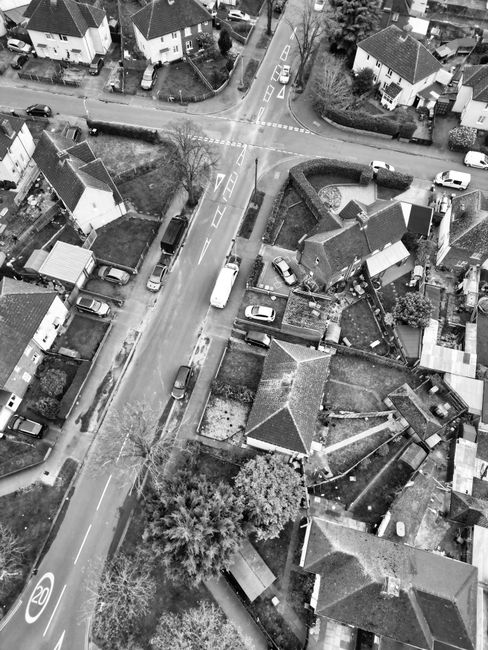
Ashley Road narrow access survey for removals vans in The Hale

If you are planning a move on Ashley Road in The Hale, the first thing to get right is access. Narrow roads, parked cars, tight corners, low branches, awkward turns, and the simple reality of a big removals van all add up. An Ashley Road narrow access survey for removals vans in The Hale is the practical check that helps turn a stressful move into something organised, safe, and far less likely to go sideways at the kerb.
Truth be told, most moving problems on tight residential streets do not come from the heavy lifting itself. They come from the approach, the stopping point, the distance from van to front door, or the moment a driver realises a vehicle simply cannot make the turn cleanly. This guide walks you through what the survey covers, why it matters, how it works, and what good planning looks like on the day.
Along the way, we will also look at the sort of decisions that save time and reduce risk: choosing the right vehicle, checking loading space, thinking about parking, and understanding when a standard van is fine and when you need a more careful approach. If you are comparing moving options, you may also find it useful to review the company's removal services, man and van support, or house removals for a fuller picture of what is available.
Why Ashley Road narrow access survey for removals vans in The Hale matters
Narrow-access surveys are not just a nice extra. They are what helps a removals team decide whether a van can safely reach the property, where it can stop, how far items may need to be carried, and whether there is enough room for loading without blocking neighbours or creating avoidable risk.
On streets like Ashley Road, the details matter more than people expect. A few extra centimetres on a gate, a bend that feels manageable in a car but not in a long wheelbase van, or a row of parked vehicles at the wrong time of day can all change the plan. That is especially true if you have bulky furniture, fragile items, or a move with a strict time window.
For residents in The Hale, this kind of survey also helps reduce disruption. No one wants a van stuck halfway in a turning circle while everybody else waits. No one wants damaged paving, scraped walls, or a rushed carry from a poor drop-off point. And no one wants to discover, at 8:15 on a moving morning, that the route looked fine on paper but not in reality.
Expert summary: A narrow access survey is really a risk check. It tells the moving team what vehicle fits, where access may be limited, and what backup plan is needed if the street is tighter than expected.
It also supports better pricing and timing. A move that looks simple from a distance can take much longer if the van has to park away from the property or if multiple shuttle trips are required. If you are trying to budget properly, it can be worth looking at pricing and quotes early, so the access conditions are reflected from the start rather than guessed later.
How Ashley Road narrow access survey for removals vans in The Hale works
In practice, the survey is a structured review of the route and the property access. It may be done in person, by photos and measurements, or as a combination of both. The best option depends on how tight the access is and how much is being moved. For some homes, a quick visual check is enough. For others, you really do want a measured assessment. Better safe than sorry, as they say.
The survey usually looks at five main things:
- Road width and approach angle - can the van enter and leave without needing risky manoeuvres?
- Parking and stopping space - is there a safe place to load without blocking traffic?
- Property access - gates, steps, turns, shared entrances, and the distance from vehicle to doorway.
- Obstacles - low trees, bollards, tight corners, narrow pavements, overhanging roofs, or difficult driveway slopes.
- Operational fit - which vehicle size makes sense for the move, and whether a smaller van or multiple runs may be more efficient.
A good survey is not only about measuring space. It is also about reading the situation properly. A road may technically allow access, but if the turning point is awkward or the parking is usually crowded, the job may need a different approach. A competent mover will look at the practical reality, not just the map.
In many cases, a team will also ask about the type of load. A sofa, wardrobe, or fridge-freezer can behave differently on a tight route than boxes do. If the move includes larger items, you might want to review options such as furniture pick up or removal van support, depending on scale and urgency.
Sometimes the survey reveals that the move is perfectly manageable, but only with careful scheduling. Early morning access can be easier if kerbside space is available before the road fills up. Other times, a later slot may be kinder if deliveries or school runs are likely to create a bottleneck. Small detail, big difference.
Key benefits and practical advantages
The main advantage of a narrow access survey is simple: it reduces surprises. But there is more to it than that. When the survey is done properly, the move becomes easier to plan, easier to price, and much more likely to stay calm on the day.
- Fewer access problems - you know whether the van can get close enough to the property.
- Lower damage risk - less chance of scraping walls, tyres, gates, or furniture.
- More accurate timing - carrying distance and loading time are easier to estimate.
- Better vehicle choice - the right van size can save time and avoid awkward turns.
- Less stress on moving day - everyone knows what to expect and where to park.
There is also a commercial benefit that gets overlooked. If you are comparing moving options, access details help you compare like with like. A quote based on a realistic assessment is usually better than a cheaper estimate that falls apart once the van arrives. That is why many customers find it helpful to speak with a removal company that will ask the awkward questions early instead of late.
Another practical plus is neighbour relations. On narrow roads, a move can quickly become everyone's problem if the vehicle is parked badly or blocks the pavement. A survey helps avoid that. It is one of those unglamorous pieces of planning that makes the whole job feel smoother for everyone around it.
And yes, it can save money indirectly. Not by magic. Simply by reducing time lost to detours, extra handling, or last-minute vehicle changes. That is the sort of saving people actually notice.
Who this is for and when it makes sense
Not every move needs a detailed site survey, but many do. If your property is on a narrow street, has limited roadside parking, or involves anything larger than a small flat move, it makes sense to check access properly.
This is especially relevant for:
- house moves on tight residential roads
- flat moves with awkward shared entrances
- older properties with narrow gates or steep steps
- customers moving from or into a terrace, mews, or cul-de-sac
- office or commercial moves where loading time is tightly controlled
- anyone moving larger furniture, appliances, or mixed loads
If you are moving a small number of items and can park close by, the assessment may be simple. If not, it is worth being more cautious. For a one-bedroom flat, the difference between "van at the door" and "van 60 metres away" can change the whole moving rhythm. You feel it immediately on the day.
Commercial clients should take narrow access just as seriously. Office equipment, files, chairs, and desks can create a lot of handling work if access is poor. If that sounds familiar, see office removals and commercial moves for the sort of support that is usually needed when access is not straightforward.
One more thing: if you are not sure whether your move is "big enough" to need a survey, that usually means it probably does. That sounds a bit cheeky, but it is often true.
Step-by-step guidance
Here is the practical way to handle an Ashley Road narrow access survey for removals vans in The Hale, from first check to moving day.
- Gather the basics. Note the property type, number of floors, main items, and any obvious access issues such as narrow gates, shared driveways, or restricted parking.
- Take clear photos. A few wide shots of the road, entrance, front path, and any corners are often useful. Daylight helps. Early evening glare is annoying and tends to hide useful detail.
- Measure where possible. Road width, gate width, doorway width, and the space available to stop a van all matter. Even rough measurements are better than guesswork.
- Identify the vehicle type. A small van, medium van, or larger removals vehicle each has different turning and parking needs.
- Check loading distance. Estimate how far items will have to be carried from the vehicle to the door. That is a major factor in timing and labour.
- Plan for obstructions. Think about parked cars, bins, delivery vehicles, and school traffic. The street may look fine on a quiet Tuesday and quite different on a Friday morning.
- Agree the fallback plan. If the van cannot park directly outside, decide where it can stop instead and how items will be moved safely.
- Confirm the move details. Make sure everyone understands the access plan before the day arrives.
A decent provider will use this information to decide whether to send a larger removals vehicle, a more compact man with van setup, or a mixed approach. Sometimes the smartest answer is a smaller van with a good carrying plan. Not everything needs the biggest vehicle on the road.
If packing is still underway, it can also help to look at packing and unpacking services. When items are boxed well, they are quicker to move, easier to stack, and less likely to be damaged during a longer carry from van to door.
Expert tips for better results
Here is where the small wins really add up. The best narrow access jobs are rarely the flashiest. They are the ones where the planning is calm and complete.
- Visit the street at the right time. If parking is tight, an access check at the same time of day as the move can reveal problems that a midday look would miss.
- Do not rely on memory. "I'm sure the van fit last time" is not a plan. Streets change, and so do parked cars.
- Leave a buffer. Even if access looks manageable, build in a bit of extra time. It stops the whole day feeling rushed.
- Be honest about the load. A full house load is not the same as a handful of boxes and a bed frame. Be fair to the crew and to yourself.
- Use clear labels. When a van has to park further away, boxed items should be easy to identify and stack in the right order.
A useful rule of thumb: the tighter the access, the more you should simplify the move itself. Fewer loose items. Better packing. Clearer room-by-room organisation. It all helps.
There is also value in choosing the right service style. For some moves, a straightforward man and van removals option is enough. For others, a more structured team and vehicle plan is safer. The key is matching the solution to the road, not forcing the road to match the solution. That never ends well.
And one honest note: if a route feels tight on foot, it will usually feel tighter with a loaded van. Drivers notice that in seconds. So do the neighbours.
Common mistakes to avoid
The most common mistakes are not dramatic. They are usually small things that snowball.
- Assuming the van will fit. "It should be fine" is the start of many problems.
- Ignoring parked vehicles. A perfectly good road can become inaccessible if cars are lined up both sides.
- Forgetting the turning circle. A van may get in but struggle to get out.
- Underestimating carry time. A 20-metre carry is not the same as a door-step unload.
- Not checking the entrance height. Trees, canopies, and low branches can matter more than people expect.
- Leaving access checks too late. By moving day, you have very few good options left.
One slightly awkward but important mistake is not telling the moving team about stairs, shared corridors, or locked gates. Those details change the whole approach. If you need a more specialised arrangement, it is better to say so early than to "see how it goes".
Another one is forgetting insurance and responsibility. If there is a tight turn, a slope, or a narrow passage, you want to know the operator has proper safeguards in place. That is where reading insurance and safety information can be reassuring, especially if the move involves valuable or awkward items.
Tools, resources and recommendations
You do not need specialist equipment to start a basic access survey, but a few simple tools make the process much easier.
- Measuring tape - useful for gates, doorways, corridors, and parking gaps.
- Phone camera - take wide photos from the street, entrance, and any turning points.
- Notebook or move checklist - keep access notes, item lists, and timing details together.
- Maps or route check - useful for understanding road layout and nearby pinch points.
- Labels and marker pens - helpful when the van cannot stop directly outside.
From a planning point of view, it also helps to review general move support pages before the move itself. For example, removals gives a broader picture of move types, while removals near me can be useful if you are comparing local service coverage and want to understand the sort of help available nearby.
On the practical side, the best recommendation is usually this: keep the process simple and honest. Good photos, a few measurements, and a clear conversation about access will often do more for the outcome than any amount of hurried optimism.
If you are moving a single bulky item or a lighter load, a compact vehicle may be ideal. If you are moving a full property, a larger setup may still work - but only if the road allows it. The same street can suit one move and not the next. That is normal.
Law, compliance, standards, or best practice
Without pretending this is a legal lecture, narrow-access moving work should always follow ordinary UK road safety expectations and good manual handling practice. That means vehicles should be parked responsibly, loading should not create avoidable danger, and the move should not block the road longer than necessary.
Good operators also pay attention to the moving environment itself. That can include:
- keeping access clear for pedestrians where possible
- avoiding unsafe reversing or turning manoeuvres
- protecting property edges, steps, and entrances
- using sensible load handling to reduce strain and damage risk
- planning for weather, especially rain-slick surfaces and low-light conditions
In a narrow street, best practice often matters more than formal language. The goal is a safe, controlled loading process. If the road is too tight for a particular vehicle, that is not a failure; it is just useful information. The smart move is to adjust the plan.
Companies that take this seriously usually have clear policies around safety and conduct. If you want reassurance on that side, take a look at the site's health and safety policy and related information before booking. That sort of transparency is worth something.
And if your move involves office premises or commercial property, access control and building rules may add another layer. In those cases, tidy coordination is not optional. It is the difference between a smooth move and a lot of phone calls.
Options, methods, or comparison table
Different access situations call for different methods. Here is a simple comparison to help you think it through.
| Approach | Best for | Pros | Trade-offs |
|---|---|---|---|
| Full in-person access survey | Very narrow streets, awkward turns, larger house moves | Most accurate, best for planning and pricing | Takes more time to arrange |
| Photo-based assessment | Moderately tight access, smaller moves, quick decisions | Fast and convenient | Can miss real-world turning or parking issues |
| Compact van plus short carry | Restricted roads with little parking | Easier manoeuvring, often less risky than a larger vehicle | May require more carrying and possibly more time |
| Larger removals vehicle | Better access, bigger loads, fewer trips | Efficient when space allows | Can be impossible on a narrow road |
The right method depends on the street, the time of day, and the size of the load. There is no single winning option for every move, which is why a survey is so useful in the first place.
Case study or real-world example
Here is a realistic example. A family moving from a terrace on a narrow part of Ashley Road thought a medium van would be fine. On the first look, it seemed workable. But once the moving day was matched against normal parking patterns, the road got tighter fast. Cars were lined up on both sides by late morning, and turning space was much poorer than expected.
After the access check, the plan changed. Instead of trying to force a larger vehicle into a difficult position, the move used a smaller van with two careful runs. Boxes were loaded first, then beds and larger furniture. The carry from door to van was longer than ideal, but it stayed controlled. No frantic reversing. No awkward half-turn in the street. Just a steady job done properly.
The family were relieved more than anything. You could almost feel the tension leave the room once the plan was clear. Funny how that happens - a little certainty goes a very long way on moving day.
That example also shows why a survey is not only about access. It is about confidence. Once the team understands the street, they can work at the right pace and choose the right method. That calm rhythm tends to produce better results, especially in busy local areas where every minute counts.
Practical checklist
Use this checklist before the move if you want the access survey to be genuinely useful.
- Confirm the exact street name and property number.
- Take clear photos of the road, frontage, gate, path, and any tight corners.
- Measure doorway, gate, and available parking space where possible.
- Note any low branches, bollards, steps, or shared entrances.
- List bulky items separately from boxes and small items.
- Identify whether parking restrictions could affect the move time.
- Decide whether a compact van, medium van, or larger removals vehicle is more realistic.
- Check whether a long carry from van to door needs extra help.
- Ask about insurance, safety, and handling arrangements.
- Confirm the access plan before moving day.
If you can answer those points confidently, you are already ahead of many move planners. Not perfect. Just ahead. And that counts.
Get a free quote today and see how much you can save.
Conclusion
An Ashley Road narrow access survey for removals vans in The Hale is one of those small planning steps that pays off in a big way. It helps you choose the right vehicle, avoid avoidable damage, estimate timing more accurately, and reduce the stress that often comes from tight streets and awkward parking.
Whether you are moving a flat, a family home, or a small business setup, the real value is clarity. Once you know what the road can handle, everything else becomes easier to organise. Less guesswork. Fewer surprises. Better decisions.
And honestly, that is what makes a move feel manageable. Not perfection. Just a sensible plan, a bit of local know-how, and the patience to get the access right first time.
Frequently Asked Questions
What is an Ashley Road narrow access survey for removals vans in The Hale?
It is a practical check of the road, parking, turning space, and property entrance to see whether a removals van can access the site safely and efficiently.
Why do I need an access survey before moving?
Because narrow streets can look manageable until a van arrives. A survey reduces the risk of delays, parking issues, damage, and last-minute vehicle changes.
Can a removals van usually fit on narrow residential roads?
Sometimes yes, sometimes no. It depends on the road width, parked cars, turning room, overhead obstructions, and where the van can stop for loading.
What details should I send before the survey?
Photos of the road and frontage, rough measurements, the number of bulky items, and anything that limits access such as steps, gates, or parking restrictions.
Is a photo-based survey enough?
For some smaller moves, it may be. But if access is tight or the load is large, an in-person survey is usually more reliable.
Does narrow access make a move more expensive?
It can, because access problems may increase carrying time, require smaller vehicles, or involve extra trips. A proper survey helps pricing stay accurate.
What if the van cannot park right outside the property?
Then the team may need to stop further away and carry items over a longer distance. That is manageable if it is planned properly.
Should I choose a smaller van for a tight road?
Often, yes. A smaller van can be easier to manoeuvre and may be the smarter choice where space is limited. The load size still matters, of course.
How far in advance should I arrange the survey?
As early as possible, especially if you are moving on a busy street or during a time when parking is likely to be difficult. Early planning gives you more options.
What kind of moves benefit most from a narrow access survey?
House removals, flat moves, office relocations, and any job involving bulky furniture or restricted parking tend to benefit most from a careful access check.
Do I need to worry about safety and insurance for a tight access move?
Yes. Tight access increases the chance of bumps, slips, or awkward handling, so it is sensible to check that the mover has proper safety procedures and insurance in place.
What is the best next step if I am unsure about Ashley Road access?
Take a few photos, note the main restrictions, and speak to a mover who can assess the road realistically. A calm, early conversation usually solves more than people expect.