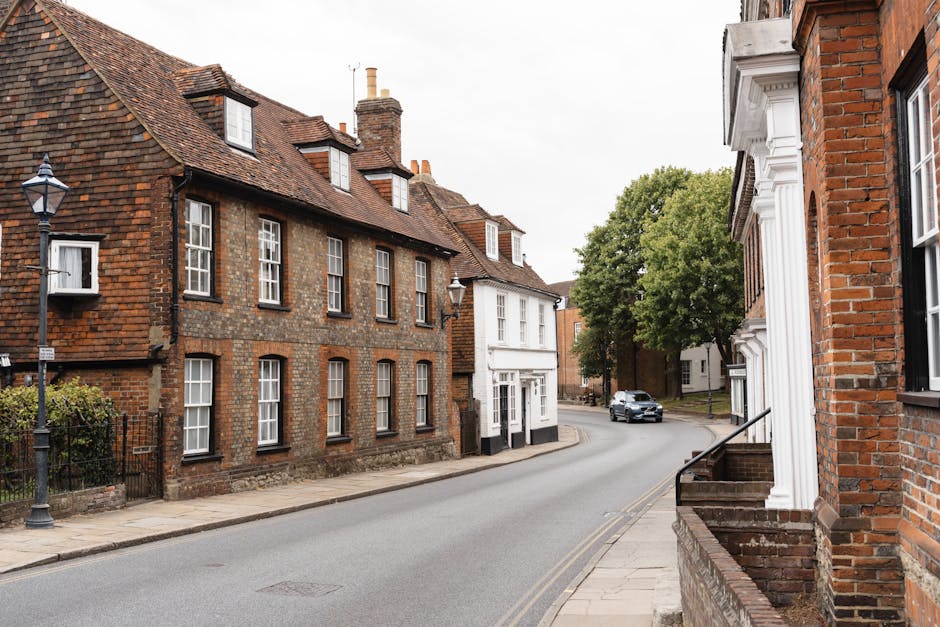
Moving in Hale Village: local street removals guide
Posted on 27/04/2026
Moving house in Hale Village can feel straightforward on paper, and then suddenly you are dealing with narrow approaches, parked cars, awkward doorways, and the small details that make a big difference on moving day. That is exactly why a local street removals guide matters. It helps you plan the move around the real shape of the street, the parking situation, the access to your property, and the practical limits of a van loading area.
Whether you are moving from a flat, a family home, or a property tucked away on a tighter residential road, the aim is the same: keep the day calm, efficient, and safe. In this guide, you will find a clear walk-through of how local removals in Hale Village work, what to check before the van arrives, which mistakes most often slow people down, and how to choose the right support for your move. If you want broader background on moving help in the area, you may also find the services overview and house removals in Hadley Wood useful alongside this guide.

Why Moving in Hale Village: local street removals guide Matters
Local removals are rarely difficult because of the furniture alone. They become complicated when the street is tight, the parking is limited, the lift is small, or the carry from van to front door is longer than expected. Hale Village has all the usual moving-day variables that can catch people out: residential parking pressure, time-sensitive access, shared entrances, and the need to keep neighbours, pedestrians, and passing vehicles in mind.
A street-specific guide gives you a more accurate plan than a generic "moving house" checklist ever could. It helps you think beyond packing boxes and into the logistics that actually decide whether your move runs smoothly. Will the van be able to park close enough? Is there room to turn or unload safely? Can bulky furniture clear the hallway? Do you need to schedule helpers around school runs, commuter traffic, or delivery slots? These questions sound small, but they shape the entire day.
It also matters because a good plan reduces stress before it starts. Truth be told, moving day rarely falls apart in one dramatic moment. It usually unravels in tiny delays: the first parking issue, the first awkward item, the first box that should have been labelled better. A local approach keeps those snags to a minimum.
If you are moving specific items, it can be worth reading focused advice as well. For example, the guides on packing strategies for moving house and decluttering before a move are practical companions to the local street planning you will do here.
How Moving in Hale Village: local street removals guide Works
At its simplest, the process is about matching the move to the street. You assess the property, map the access, decide how the van will load, and organise the timing so the move can happen without avoidable interruptions. In a place like Hale Village, that usually means working backwards from the front door and asking what the van and crew need in order to complete the job safely.
The work is normally split into three parts: pre-move planning, moving-day execution, and post-move follow-through. Pre-move planning covers item lists, packing, labels, parking, and access. Execution is the physical loading, transit, and unloading. Follow-through means checking for missing items, setting key furniture in the right rooms, and making sure the property is left tidy if you are moving out of a rental or sale.
For local street removals, the access plan is especially important. That might mean choosing the best time of day for loading, identifying a place where a van can stop without blocking traffic, and deciding whether you need a smaller vehicle for a restricted road. If the street is busy or the parking is shared, it is worth preparing a backup plan. A good removal team will think in terms of routes, not just addresses.
If you are looking for a smaller-scale move or flexible loading support, the pages on man with a van in Hadley Wood and man and van services explain how that type of service typically fits local moves. For larger homes or more involved relocations, removals in Hadley Wood is a helpful broader reference.
Key Benefits and Practical Advantages
A street-aware move is not just more convenient; it is usually safer, quicker, and less frustrating. The benefits are practical rather than theoretical, and you notice them most when something would otherwise go wrong.
- Less wasted time: You spend less time waiting for space to appear, carrying boxes from a distant parking spot, or rearranging the route on the fly.
- Lower risk of damage: Shorter carry distances and fewer awkward turns reduce the chance of knocking furniture, walls, or door frames.
- Better handling of bulky items: Sofas, wardrobes, beds, and appliances are easier to manage when the loading point is planned correctly.
- Reduced stress for everyone involved: Clear instructions mean fewer questions, fewer mistakes, and less last-minute improvisation.
- More predictable timing: That matters if you have keys to collect, a rental handover, or a delivery window on the same day.
There is another benefit people often overlook: neighbour management. Nobody likes being the reason a street is blocked for half an hour. A considerate move respects the local setting and tends to attract less friction. In a residential area, that goodwill matters more than most people realise.
For awkward or high-value items, specialist support can also make a decisive difference. If you are moving a piano, for instance, the local logistics matter even more because the item itself is only half the challenge. The other half is the route in and out. That is where a dedicated service such as piano removals in Hadley Wood can be the safer choice.
Who This Is For and When It Makes Sense
This kind of guide is useful for anyone moving within or around Hale Village, but it is especially valuable for people whose move depends on street access rather than just volume of items.
It makes sense if you are:
- moving from a terraced house, maisonette, or flat with tighter access
- working with limited parking near the property
- moving on a weekend or during a busy traffic period
- handling furniture that needs careful protection
- trying to complete a same-day handover
- moving alone or with only a small number of helpers
Students and renters often need this kind of practical planning most, because the move is time-sensitive and the property layout is not always generous. If that sounds familiar, the dedicated student removals and flat removals pages can help you judge which service level fits best.
It also makes sense if you are moving a smaller load but still want the day to feel organised. A local street move is not just for large family homes. Sometimes the real challenge is a short-distance move with one sofa, a bed, a freezer, and a van that must fit neatly into a narrow approach. Less volume does not always mean less complexity.
Step-by-Step Guidance
Here is a clear way to manage a local street removals job in Hale Village without losing control of the details.
- Survey the property and street. Check where a van can stop, how much room there is to open doors, and whether large items can be carried straight out or need to be angled through turns.
- List the bulky and fragile items first. Beds, wardrobes, sofas, mirrors, glass-topped furniture, white goods, and electronics should shape your plan before the small boxes do.
- Measure problem items. Measure them once, then compare them to doorways, hallways, stairs, and the lift if there is one. This simple step saves a lot of guesswork.
- Choose the right packing method. Use sturdy boxes, tape, wraps, blankets, and labels. If packing is not your favourite part of life, you are not alone; the good news is that it rewards a bit of order. The guide to packing perfection is a solid place to start.
- Prepare furniture for movement. Remove loose shelves, secure doors, wrap corners, and disassemble items where practical.
- Plan the loading order. Load heavier items first and place essentials where they can be accessed at the other end. Keep the "open first" items separate.
- Confirm parking and access details. This can be as simple as making sure the route is clear, or as involved as arranging a designated stopping point.
- Protect the floors and walls. Especially in narrow hallways or shared entrances, a few blankets or runners can prevent costly scuffs.
- Unload with room-by-room intent. If items go into the correct rooms immediately, you save a huge amount of lifting later.
- Do a final sweep. Check cupboards, lofts, the garden, under beds, and behind doors before you leave.
One useful rule of thumb: if an item feels awkward before the move, it will feel more awkward on the day. Deal with it early.
Expert Tips for Better Results
Small details make local moves run better. These are the habits that consistently help.
Keep the move path as short and simple as possible
A straight, uncluttered route is worth its weight in tape and bubble wrap. Remove shoes, mats, bins, bikes, and loose items from hallways before the team arrives. If you can reduce turns, steps, and door holds, do it.
Pack a "first hour" box
Include kettle, tea or coffee, phone chargers, toilet paper, snacks, scissors, pet basics, and a basic tool kit. The first hour in a new home is much easier when you can find the obvious essentials.
Protect the items that fail quietly
Some items do not look fragile but still need care. Sofas can stain or distort, mattresses can bend and dirty easily, and freezers need proper handling. You can read more on sofa care and preservation, moving beds and mattresses, and freezer storage when not in use.
Use simple labels that tell you where things go
"Kitchen - mugs and plates" is better than "misc." Every label should reduce a decision on the day, not create one.
Ask for help before you are tired
If a staircase looks tight or a wardrobe is likely to catch, ask for a second person before you start, not after the item has already turned sideways. That is usually the point when moving stops being efficient and starts becoming a conversation with the wall.
For more on safe lifting and handling, the guides on kinetic lifting basics and moving heavy objects alone offer useful context.
![Three smiling individuals standing outside a house with large glass windows, holding cardboard boxes sealed with red tape. The person on the right, an African-American woman with curly hair, is taking a selfie with a smartphone while holding a box. The man on the left, of African descent, and the woman in the middle, with light skin and straight brown hair, are also holding boxes. The boxes are labeled with packing and moving materials, suggesting a home relocation or furniture transport process. Behind them, the house's exterior features wooden framing and a reflection of nearby buildings can be seen in the windows. This scene illustrates aspects of packing and moving logistics as part of house removals, aligning with services offered by [COMPANY_NAME] for local house relocations in Hale Village, emphasizing seamless packing, loading, and transport activities.](/pub/blogphoto/moving-in-hale-village-local-street-removals-guide2.jpg)
Common Mistakes to Avoid
Most moving problems come from assumptions. People assume the van will fit. They assume the hallway is wide enough. They assume the boxes are labelled clearly enough. Then moving day exposes the gap between assumption and reality.
- Leaving access planning too late: A van arriving before you have cleared the route can cost time and add pressure.
- Underestimating carry distance: The path from van to front door matters more than the address sounds like it should.
- Packing too heavily: Boxes that are overfilled become slow, awkward, and risky.
- Ignoring fragile furniture: Damage often happens at corners, handles, and legs, not the main body of the item.
- Forgetting item order: If you load essentials behind everything else, you create unnecessary frustration later.
- Skipping a final walkthrough: People leave plugs in sockets, food in cupboards, or items in sheds more often than they expect.
Another frequent error is trying to do too much solo. A lot of moving advice online makes everything sound easy if you just "lift correctly." In real life, there is a point where the shape, weight, or value of an item makes a second pair of hands the sensible option. No shame in that. Common sense is usually more useful than bravado.
Tools, Resources and Recommendations
You do not need a warehouse of equipment to move well, but a small set of proper tools makes a noticeable difference.
| Tool or Resource | Why it helps | Best use case |
|---|---|---|
| Strong removal boxes | Protects items and stacks more safely | Books, kitchenware, general household items |
| Packing tape and labels | Keeps boxes secure and clearly identified | Every room in the house |
| Furniture blankets | Reduces scuffs during loading and transit | Sofas, tables, wardrobes, appliances |
| Straps or tethers | Helps secure items in the van | Large or top-heavy furniture |
| Toolkit for dismantling | Makes beds and furniture easier to move | Flat-pack and modular furniture |
| Dolly or sack truck | Reduces strain and speeds up heavy carries | White goods, boxes, awkward loads |
For many households, the best resource is not equipment but planning support. If you want help with the practical side of a move, the packing and boxes page and storage options can help you plan around timing, overflow items, or staged moving. For a move that needs to happen quickly, same-day removals may be worth considering if availability matches your dates.
Law, Compliance, Standards, or Best Practice
For a local move in Hale Village, the main compliance issues are usually practical rather than bureaucratic, but they still matter. You should avoid blocking access, damaging communal areas, or creating unsafe lifting conditions. If your building has shared entrances, lifts, or management rules, follow them carefully. Some properties require advance notice for removals or limit use of service lifts and parking bays. Those details are best confirmed with the property manager, landlord, or building representative before moving day.
Safety is the other big standard. A reputable removal plan should include sensible lifting practice, clear communication, and protection for both people and property. If you are using professional support, it is reasonable to ask about handling methods, insurance, and how they approach heavy or delicate items. You can review the broader approach on the insurance and safety page, along with the company's health and safety policy. Those pages help set expectations before the move begins.
If items are no longer needed, think about responsible disposal or reuse. The recycling and sustainability page is relevant if you want to reduce waste and avoid treating the move like a bin day with furniture attached.
Options, Methods, or Comparison Table
There is no single best way to move in Hale Village. The right method depends on access, item volume, time pressure, and how much heavy lifting you are willing to take on.
| Method | Best for | Strengths | Limitations |
|---|---|---|---|
| DIY move with car or hired van | Very small moves with flexible timing | Lower upfront spend, full control | More physical effort, more risk, more time |
| Man and van service | Local moves with a moderate load | Flexible, practical, good for short distances | May not suit very large homes or complex access |
| Full removals service | Larger homes or awkward access | More support, better handling, less stress | More planning required, usually higher cost |
| Storage plus staged move | Moves with timing gaps or downsizing | Extra breathing room, easier scheduling | Extra step and ongoing storage cost |
For many local households, a man and van option strikes the best balance. It is especially handy when the move is not huge, but the street access needs someone who understands how to work locally and efficiently. If you want to compare it with other options, the removal services and removal companies pages are a sensible next step.
Case Study or Real-World Example
Imagine a household moving from a two-bedroom property on a residential street in Hale Village. The move itself is not especially large: a bed, a sofa, a dining table, a freezer, several boxes, and a few fragile items. On paper, it looks manageable. The complication is the street. Parking is limited, the entrance path is narrow, and there is a short but awkward set of steps at the front.
Instead of arriving with the van and improvising, the movers do a quick access review the day before. They identify where the van can stop, decide which items should be loaded first, and separate the freezer and mattress because both need more careful handling. The customer labels every box by room and keeps an essentials bag aside. A small amount of planning prevents a lot of backtracking.
On moving day, the sofa is wrapped, the bed frame is dismantled, and the heaviest boxes are loaded before the lighter ones. The crew keeps the route clear, protects the doorway, and places furniture in the correct rooms at the new address. The result is not dramatic. That is the point. The move feels almost boring, which is usually the mark of a successful one.
If you are preparing a similar move, the same practical thinking applies whether you are relocating within Hale Village or to a nearby area. Local knowledge, sensible packing, and the right vehicle size do more than shave off time; they reduce the number of things that can go wrong.
Practical Checklist
Use this checklist in the final week before your move.
- Confirm the moving date and arrival window
- Check street access, parking, and any property restrictions
- Measure large furniture and compare it to doorways and stairwells
- Book or confirm the right vehicle size
- Label boxes by room and priority
- Pack a first-night essentials bag
- Disassemble furniture where practical
- Protect sofas, mattresses, mirrors, and appliances
- Set aside valuables and documents separately
- Arrange help for heavy or awkward items
- Notify neighbours if access may be temporarily restricted
- Do a final property walkthrough before leaving
Expert summary: the smoother local moves are rarely the ones with the fewest boxes. They are the ones where access, timing, packing, and lifting were thought through before the van turned up. That is what gives you control.
Conclusion
Moving in Hale Village is easiest when you treat it like a local logistics job, not just a packing exercise. Street access, parking, item size, timing, and safe lifting all matter. Get those pieces right, and the day becomes calmer, faster, and far less stressful. Get them wrong, and even a small move can feel oversized.
The good news is that most of the hard work happens before moving day. A measured plan, clear labels, the right equipment, and the right level of support will carry you a long way. If your move includes awkward furniture, a tight street, or a short turnaround, it is worth choosing help that understands the area and the practical realities of local removals.
If you are ready to make the move simpler, explore the relevant service pages, compare your options, and plan early. A little preparation here saves a lot of lifting there.
Get a free quote today and see how much you can save.