Permit rules near Hale Station: removals checklist
Posted on 22/05/2026
If you are moving near Hale Station, the last thing you want is a van parked awkwardly, a neighbour complaining, or a crew standing around while someone checks whether a permit is needed. That's exactly why a clear Permit rules near Hale Station: removals checklist matters. It helps you avoid delays, keep the move organised, and make sure your removal day runs smoothly from the first box to the last.
In practice, permit questions usually come down to a few things: where the vehicle can stop, whether any part of the move affects restricted parking, and who is responsible for getting permission in advance. Sounds simple enough. Then moving day arrives, the road is busy, the lift is narrow, and suddenly it's not so simple at all.
This guide breaks the whole thing down in plain English. You'll get a step-by-step checklist, common mistakes to avoid, useful local context, and a practical way to plan around parking, access and timing near Hale Station. If you are also sorting boxes, specialist furniture, or a tight flat move, we'll point you to a few helpful resources along the way, like packing solutions for a smoother house move and flat removals in The Hale.
Why Permit rules near Hale Station: removals checklist Matters
Permit rules matter because removal vans need space, and near a station you often have extra pressure from traffic, pedestrians, timed restrictions, and limited kerb space. Even if you are only stopping briefly, a short halt in the wrong place can cause a real problem. The move becomes slower, more stressful, and sometimes more expensive. Not ideal, really.
Hale Station areas can be especially sensitive because people are coming and going throughout the day. Commuters, delivery drivers, residents, and taxis all compete for the same bits of road. A van that blocks access or sits where restrictions apply can create friction very quickly. And let's face it, nobody wants their moving day to become the day they upset half the street.
A good removals checklist helps you think ahead. It makes you ask the right questions before the van arrives:
- Can the vehicle legally stop outside the property?
- Is a loading bay available, and if so, for how long?
- Do you need permission for suspension, dispensation, or temporary access?
- Will the move need extra time because of stairs, lifts, or narrow entrances?
- Is the route clear for large items such as wardrobes, beds, or a piano?
These are small questions, but they add up. In our experience, the moves that feel calm on the day are nearly always the ones where the parking and access side was handled early. If you are planning a bigger move, it is also worth reading about the full range of removal services available in The Hale so you can match the service to the access conditions.
How Permit rules near Hale Station: removals checklist Works
Think of the process in three parts: check, confirm, and plan.
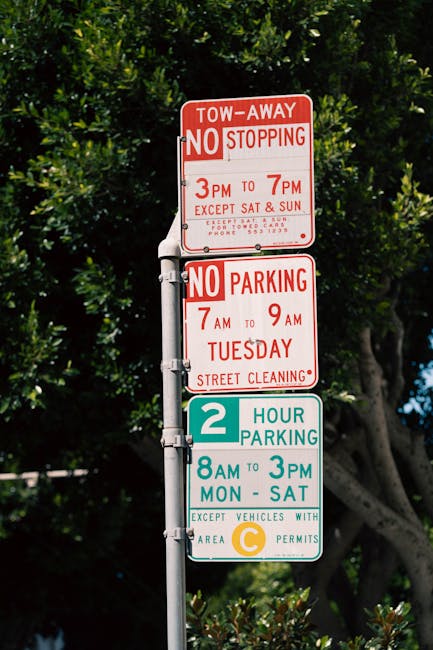
Check the parking and access situation around the property. This means looking at any signs, markings, time restrictions, resident bays, yellow lines, loading bays, or controlled zones. If the street is tight or busy, do not assume a quick stop is automatically fine. Some roads seem forgiving at 8am and impossible by 10am.
Confirm whether a permit or parking arrangement is needed. Depending on the location, the type of vehicle, and the time of day, you may need advance permission, a paid permit, a suspension, or simply to time the move carefully. If you are using a professional team, ask who handles the checks. Some removal companies deal with this as part of the booking; others expect the customer to arrange it. It's one of those details that gets missed when everyone is focused on boxes and kettles.
Plan the move around the actual conditions. If the van cannot park directly outside, allow for carrying distance. If the road is narrow, think about whether smaller vehicles or a shuttle-style approach is better. If the property is above street level, you may need a bit more time for loading and unloading. That is where a sensible choice like man and van support in The Hale can be useful for smaller or more flexible jobs.
A practical removals checklist does not just ask, "Do I need a permit?" It asks, "What will actually make the move work safely and legally?" That mindset saves a lot of last-minute chaos.
Key Benefits and Practical Advantages
Getting the permit side right gives you more than just compliance. It makes the whole moving day smoother. Here are the main wins.
| Benefit | What it means in practice | Why it matters on moving day |
|---|---|---|
| Less delay | The van has somewhere planned to stop | Teams can load and unload without waiting around |
| Lower risk of fines | You avoid unauthorised parking or misuse of restrictions | Fewer unexpected costs and fewer awkward conversations |
| Safer handling | Shorter carry distances and clearer access | Reduces strain and the chance of dropped items |
| Better timing | Realistic loading windows and access plans | Helps you coordinate lifts, keys and handover times |
| Less stress | No guessing on the day | Everyone gets on with the job instead of firefighting |
There is also a knock-on benefit people underestimate: better communication. When you know the parking situation, you can brief your removals team properly, tell neighbours what to expect, and arrange the right moving equipment. If you are moving heavier items, a quick read of safe lifting tips for heavy items is a good companion piece, though for anything awkward, it is usually smarter to let trained movers do the hard work.
A move with good planning feels less like a gamble and more like a sequence. That's the whole point.
Who This Is For and When It Makes Sense
This guide is useful for just about anyone moving near Hale Station, but it is especially relevant if your property or route has limited kerb space, a shared drive, or time-sensitive access. It also matters if your move involves a larger van, multiple trips, or items that cannot be carried far without proper handling.
You will especially want to pay attention if you are:
- moving from a flat or upper-floor property
- living on a road with parking controls or resident bays
- coordinating with a station-area timetable and busy traffic flow
- moving furniture, appliances, or specialist items
- booking a same-day or short-notice move
- trying to keep disruption to neighbours to a minimum
Students and renters often assume a small move means no permit worries. Sometimes that is true. Sometimes it really isn't. A one-bedroom flat can still need parking planning if the van size is larger than expected or the street is cramped. If that sounds familiar, the page on student removals in The Hale may help you weigh up a lighter-touch option.
Same goes for businesses. If you are moving stock, desks or files from a small office, even a short stop near a station road can be tricky. That is where office removals in The Hale become relevant, because business moves tend to need tighter scheduling and cleaner access.
Step-by-Step Guidance
Here is the part most people actually need: what to do, in order, before the van turns up.
-
Confirm the moving address and access route.
Check the exact property entrance, not just the postcode. Rear access, side entrances and shared courtyards can change the parking plan completely.
-
Look at the street restrictions early.
Review any signs, loading limits, resident parking bays, and yellow lines. If the signage is confusing, take photos and compare them later. A quick picture on your phone can save a long phone call later.
-
Ask whether a permit, dispensation or suspension is needed.
Some situations need a formal permission, while others simply require careful timing. The exact process depends on the road and local authority rules, so avoid guessing.
-
Book the vehicle size that suits the street.
A huge van is not always the clever answer. On a tight road, a more manageable vehicle can be a better fit and may actually save time overall.
-
Build in buffer time.
Traffic around station areas changes through the day. Allow extra time for parking, carrying, and any unexpected delays. If the first slot is blocked, you will be glad you did.
-
Tell your removal team about difficult items.
Anything heavy, fragile or awkward should be flagged in advance. Pianos, American-style fridges, beds and oversized sofas can all affect loading plans. For specialist items, piano removals in The Hale is worth looking at if you need expert handling.
-
Prepare the property for fast loading.
Keep hallways clear, disassemble what you can, and stack packed boxes in one place. If you need help with materials, packing and boxes in The Hale can make the whole thing more straightforward.
-
Do a final check before the van arrives.
Look at the street, the signage, the route from the front door, and the weather. A wet kerb, a narrow turn, or a parked delivery vehicle can affect the plan. It happens all the time.
If you are packing a larger family home, the article on decluttering before relocation is a smart companion step. Fewer items usually means a quicker load, and a quicker load is always kinder to everyone involved.
Expert Tips for Better Results
Small improvements make a big difference near station roads. A few experienced habits can turn a messy move into a controlled one.
1. Think in layers, not just boxes. Pack by priority. Keep first-day essentials separate, then group the rest by room. If a permit delay happens, you will still have the basics to hand. That is calming in a very real way.
2. Use the shortest safe carry route. The legal parking spot is not always the best loading point. Sometimes there is a slightly better position that reduces stair turns or avoids a tight gate. It is worth walking the route before moving day.
3. Protect furniture before you move it. Corners, door frames and stair rails take a surprising amount of punishment. Blankets, wrap and proper lifting straps are not overkill; they are cheap insurance for the building and the furniture.
4. Handle appliances carefully. If you are moving a freezer or large fridge, plan for defrosting, drying and safe transport well in advance. The guide on storing your freezer properly is useful if the timing between homes is awkward or storage is involved.
5. Keep communication simple. One person should ideally coordinate parking, keys and timing. Too many messages, too many guesses. That's how plans go sideways.
And here's a small but useful truth: if the move feels too tight for comfort, it probably is. Better to adjust the plan than force a bad fit and hope for the best.
Common Mistakes to Avoid
Most removals problems near busy areas come from the same few mistakes. They are very avoidable, which is the frustrating part.
- Leaving parking checks until the morning of the move. By then, you have no room to fix anything gracefully.
- Assuming the driver can just "pull in for a minute". Station-area restrictions rarely care about convenience.
- Forgetting to check where the nearest legal loading point actually is. A spot that looks handy may not be legal at the time you need it.
- Not planning for carry distance. Even ten extra metres can slow a move when you have several heavy items.
- Ignoring neighbours, deliveries and pedestrian flow. A busy street requires a bit of diplomacy.
- Using the wrong vehicle size. Bigger is not always better, especially where access is tight.
- Not telling the removals team about stairs, lifts or awkward turns. Those details matter more than people expect.
If you have ever watched a sofa get halfway down a stairwell and then realised the turn is tighter than everyone thought, you will know why this matters. Mild panic. A lot of shuffling. Someone muttering "it'll be fine" in a tone that suggests it probably won't be.
Avoiding these mistakes is less about being perfect and more about being honest with the layout and the timing.
Tools, Resources and Recommendations
You do not need a huge toolkit for a well-organised move, but the right basics help a lot. Here is what tends to be genuinely useful.
- Phone photos of all parking signs - useful for checking restrictions later.
- Measuring tape - helps with door widths, hallway turns and van access.
- Furniture blankets and wrap - protects items and walls.
- Labels and marker pens - keep rooms and priorities clear.
- Trolley or sack barrow - handy for boxes and appliances if the route allows it.
- Sturdy gloves - better grip, fewer scrapes.
- Moving straps - useful for awkward lifts, but only when used correctly.
For planning, a simple moving folder can work wonders. Keep permit notes, booking confirmations, inventory lists and contact numbers together. Old-fashioned? Maybe. But it works. If you need to compare move types, our removal services overview and removal van options in The Hale can help you decide whether you need a bigger crew or a more flexible setup.
If your move involves storage between addresses, it is sensible to look at storage in The Hale as part of the plan. Storage can ease timing pressure if access or permits do not line up perfectly on the same day.
Law, Compliance, Standards, or Best Practice
We should be careful here: exact permit rules depend on the road, the local authority arrangements, and the type of restriction in force. That means you should always verify the latest local requirements rather than relying on memory, word of mouth, or the old "someone said it was fine last year" approach. Roads change. Signage changes. And enforcement can be stricter than people expect.
In general, the sensible best-practice approach is:
- check restrictions before you book the van
- use legal loading and parking arrangements where required
- avoid blocking pedestrians, driveways, dropped kerbs, or access points
- allow enough time for loading without overstaying any permitted window
- keep evidence of permissions or arrangements in case of a query
For removals, compliance is not just about avoiding fines. It is also about safety and professionalism. Good moving practice means the crew can work without rushing, the street remains accessible, and the property is treated with care. If you want a broader sense of how a responsible firm approaches moving work, the pages on health and safety and insurance and safety are worth reading.
For local moves, I would keep one rule in mind: if the access plan feels vague, do not assume it will sort itself out. It usually won't. A little caution now is much better than improvising under pressure later.
Options, Methods, and Comparison Table
There is more than one way to manage a move near Hale Station. The right method depends on the street, the size of the load, and how much time you have.
| Approach | Best for | Pros | Trade-offs |
|---|---|---|---|
| Full removal service | Large homes, awkward furniture, time-sensitive moves | Most hands-off, better planning, fewer physical demands | Usually costs more than self-managed options |
| Man and van | Smaller homes, student moves, partial loads | Flexible, practical, often good for tight access | May need more coordination from you |
| Small van / local shuttle | Restricted streets or short carry distances to a legal parking point | More adaptable near narrow roads | May require more trips |
| Self-move with help | Very small loads and simple access | Lower service cost | Higher risk of delays, strain and mistakes |
For many people near Hale Station, the best choice is not the biggest service. It is the one that fits the access conditions without fuss. If the road is tight and the timetable is unforgiving, a nimble approach often beats brute force. That sounds obvious, but people still overbuy van size all the time.
If you are comparing options, you may also find removal companies in The Hale and furniture removals useful for matching the service level to the move.
Case Study or Real-World Example
Picture a typical move near Hale Station on a weekday morning. The property is a first-floor flat above a small parade, the road is already busy by 8:30, and there is only limited stopping space close to the entrance. The customer has a sofa, two beds, several boxes of kitchen items, and a freezer that needs careful handling. Fairly normal, but enough moving parts to make parking an issue.
Instead of hoping for the best, the move is planned around the access. The team checks the road layout in advance, chooses a vehicle that can work within the available space, and keeps the load list grouped so the heaviest items go in first. The customer has already decluttered and packed, which helps more than people realise. The removal crew arrives, unloads quickly, and the property is clear without long carry delays. No drama, no shouting across the pavement, no unexpected stand-off with a passing delivery van.
The main lesson is simple: the permit and access side is not a separate task from the move. It is part of the move. When it is treated that way, everything becomes calmer. If the job also involves fragile items or timing pressure, a guide like pre-move cleaning tips for a smoother exit can help you make the final handover feel more controlled.
Practical Checklist
Use this as your final working checklist in the days before the move. It is the part people usually copy into notes on their phone, and fair enough.
- Confirm the moving date and time window
- Check road restrictions and parking signs near the property
- Find out whether a permit, dispensation or loading arrangement is needed
- Book the most suitable van size for the street and load
- Tell the removal team about stairs, lifts, narrow paths and awkward corners
- Measure the largest furniture items and doorways if needed
- Pack boxes securely and label them by room
- Set aside essentials for the first night
- Protect floors, walls and furniture where appropriate
- Keep permit confirmation or parking arrangement details to hand
- Allow extra time for traffic, loading and any access delays
- Do a final walk-through before the van arrives
Expert summary: the best removals checklist is the one that starts with access, not packing. If the van cannot stop properly, every other part of the day gets harder. Get the parking side right, and the rest usually follows.
Conclusion
Moving near Hale Station does not have to be complicated, but it does reward careful planning. The permit side, the parking side, the access route, the timing, the van size - all of it matters more than people expect. Once you treat those details as part of the job rather than last-minute admin, the move becomes far more manageable.
A solid removals checklist is really just a way of protecting your time, your energy and your belongings. It keeps the day moving, reduces stress, and helps everyone work safely. And that is usually what people want most, even if they say they just want "to get it done". To be fair, that's understandable.
If you want help planning the move around local access, parking or specialist items, it is worth exploring the wider support available, from removals in The Hale to the more tailored services on the site. The right advice early on can save a lot of hassle later.
Get a free quote today and see how much you can save.
And if your moving day starts to feel a bit too busy, take a breath. A good plan turns noise into order, one step at a time.